


Understanding and Mitigating Security Vulnerabilities in Today's Technology Landscape
- Salil Natoo
- Feb 25, 2025
- 8 min read

In an increasingly digital world, security vulnerabilities pose significant threats to individuals and organizations. Understanding common vulnerabilities, recent attack examples, and effective preventative measures is crucial to maintaining a robust cybersecurity posture. This blog delves into these aspects, offering insights and practical advice to help safeguard your digital assets.
What Are the Common Security Vulnerabilities in Current Technologies?
Security vulnerabilities can exist across various domains and technologies. Here are some of the most prevalent ones:
Weak Authentication Mechanisms:
Weak password policies often lead to the use of simple, easily guessable passwords, which cybercriminals can exploit using brute force attacks. Implementing multi-factor authentication (MFA) adds an additional layer of security, making it harder for attackers to gain unauthorized access. Proper session management ensures that user sessions are secured, reducing the risk of session hijacking.
Insecure APIs:
APIs without proper authentication and authorization checks can be exploited to gain unauthorized access to systems and data. Insufficient validation of inputs can lead to injection attacks, allowing attackers to execute arbitrary code or manipulate data. Secure API design and regular security testing are essential to mitigate these risks.
Software Vulnerabilities:
Unpatched software and outdated libraries often contain known vulnerabilities that attackers can exploit. Buffer overflows, SQL injection, and cross-site scripting (XSS) are common software vulnerabilities that can lead to data breaches and system compromises. Regular updates, code reviews, and secure coding practices help in mitigating these risks.
Insufficient Encryption:
Using outdated or weak encryption algorithms can compromise the confidentiality and integrity of sensitive data. Encrypting data both at rest and in transit ensures that it remains protected even if intercepted or accessed by unauthorized parties. Proper key management practices are crucial to maintaining the effectiveness of encryption.
Misconfigured Security Settings:
Default configurations are often not secure and can provide attackers with easy entry points into systems. Excessive permissions violate the principle of least privilege, granting users more access than necessary and increasing the risk of insider threats. Regular audits and secure configuration baselines help in maintaining secure settings.
Phishing and Social Engineering:
Phishing attacks deceive users into divulging sensitive information, such as login credentials, by masquerading as legitimate entities. Social engineering exploits human psychology to trick individuals into performing actions that compromise security. User awareness and training are vital in recognizing and responding to these threats.
Insider Threats:
Malicious actions by disgruntled employees or contractors can lead to significant data breaches and system compromises. Accidental data leaks often result from inadequate training or negligence, highlighting the need for robust security policies and employee education. Monitoring internal activities helps in detecting and mitigating insider threats.
IoT Vulnerabilities:
IoT devices often come with default credentials and lack proper security features, making them easy targets for attackers. Insecure communication channels between devices can be intercepted, leading to data breaches. Regular updates and secure configurations are essential for protecting IoT environments.
Supply Chain Attacks:
Compromises in third-party software or hardware can have widespread impacts, as seen in the SolarWinds attack. Attackers may insert malicious code during the development process, which can go undetected until it causes significant damage. Vetting suppliers and monitoring third-party interactions are crucial for supply chain security.
Cloud Security Issues:
Misconfigured cloud services can expose sensitive data to unauthorized access. Insecure APIs and interfaces in cloud environments can be exploited by attackers to gain access to cloud resources. Implementing robust identity and access management (IAM) and regular security audits are essential for cloud security.
Mobile Security Flaws:
Insecure mobile applications may store sensitive data improperly or transmit it without encryption, making it accessible to attackers. Mobile operating systems and apps are often targeted by malware and other attacks. Regular updates and secure development practices help in protecting mobile environments.
Ransomware and Malware:
Lack of proper anti-malware defenses can leave systems vulnerable to ransomware and other types of malware. Phishing attacks often serve as the initial vector for ransomware infections, emphasizing the need for user awareness. Regular backups and effective recovery procedures are critical in mitigating the impact of ransomware attacks.

What Are Common Attacks, and What Are Some Recent Examples?
Understanding common attacks and their real-world examples can highlight the need for robust defenses:
Phishing Attacks:
Example: In 2023, a large-scale phishing campaign targeted Microsoft Office 365 users, tricking them into providing their login credentials through fake login pages. Phishing attacks often exploit human trust and the appearance of legitimacy to deceive victims. These attacks can lead to unauthorized access, data breaches, and financial loss.
Ransomware Attacks:
Example: The Colonial Pipeline ransomware attack in May 2021 disrupted fuel supply across the Eastern United States. The attackers used a compromised password to access the company's network, highlighting the importance of strong authentication measures. Ransomware attacks encrypt victims' data and demand payment for decryption, causing significant operational disruptions and financial losses.
Distributed Denial of Service (DDoS) Attacks:
Example: In June 2023, Google Cloud reported a DDoS attack that peaked at 46 million requests per second, targeting one of its customers. DDoS attacks overwhelm a target's resources, rendering services unavailable to legitimate users. These attacks can cause significant downtime and financial losses for businesses.
SQL Injection:
Example: In 2023, a SQL injection vulnerability in the MOVEit Transfer software was exploited by cybercriminals, leading to data breaches at multiple organizations. SQL injection attacks manipulate a website's database queries to gain unauthorized access or manipulate data. Proper input validation and parameterized queries are essential to prevent such vulnerabilities.
Zero-Day Exploits:
Example: In 2023, a zero-day vulnerability in Microsoft Exchange Server (CVE-2023-23397) was exploited by hackers, allowing them to execute arbitrary code and gain unauthorized access to systems. Zero-day exploits take advantage of vulnerabilities that are unknown to the software vendor, making them particularly dangerous. Regular updates and proactive security measures help mitigate the risks associated with zero-day vulnerabilities.
Man-in-the-Middle (MitM) Attacks:
Example: In 2023, several incidents of MitM attacks were reported where attackers intercepted and altered communications between users and online banking services, leading to unauthorized transactions. MitM attacks involve eavesdropping on or altering communication between two parties without their knowledge. Secure communication protocols and encryption help protect against these attacks.
Credential Stuffing:
Example: In early 2023, a credential stuffing attack targeted the online streaming service Twitch, where attackers used leaked credentials from other breaches to gain access to user accounts. Credential stuffing exploits the reuse of passwords across multiple sites, emphasizing the importance of unique, strong passwords. Implementing MFA can help mitigate the impact of these attacks.
Supply Chain Attacks:
Example: The SolarWinds attack discovered in December 2020 is a notable supply chain attack where attackers inserted malicious code into SolarWinds' Orion software, affecting multiple U.S. government agencies and private sector organizations. Supply chain attacks target vulnerabilities in third-party services and software, potentially compromising numerous downstream entities. Rigorous vetting and continuous monitoring of third-party vendors are essential for supply chain security.
Advanced Persistent Threats (APTs):
Example: In 2023, the APT group known as "APT29" (Cozy Bear) was linked to a sophisticated cyber-espionage campaign targeting European and U.S. government entities, leveraging spear-phishing and custom malware. APTs involve prolonged, targeted attacks often backed by nation-states or organized groups aiming to steal sensitive information. Continuous monitoring and threat intelligence are crucial in defending against APTs.
IoT Device Attacks:
Example: In 2023, the "Mozi" botnet, which targets IoT devices, was responsible for multiple DDoS attacks. Mozi exploited weak passwords and unpatched vulnerabilities in IoT devices to build its botnet. Securing IoT devices with strong passwords, regular updates, and network segmentation is essential to mitigate these risks.
What Precautions Should We Take to Avoid and Prevent Attacks?
To avoid and prevent attacks, a comprehensive approach to cybersecurity is essential. Here are some key precautions:
What Precautions Should We Take to Avoid and Prevent Attacks?
To avoid and prevent attacks, a comprehensive approach to cybersecurity is essential. Here are some key precautions:
General Security Practices:
Use Strong Passwords: Strong passwords with a mix of letters, numbers, and symbols make it difficult for attackers to guess. Avoid using easily guessable passwords or the same password across multiple sites. Using a password manager helps manage and generate complex passwords securely.
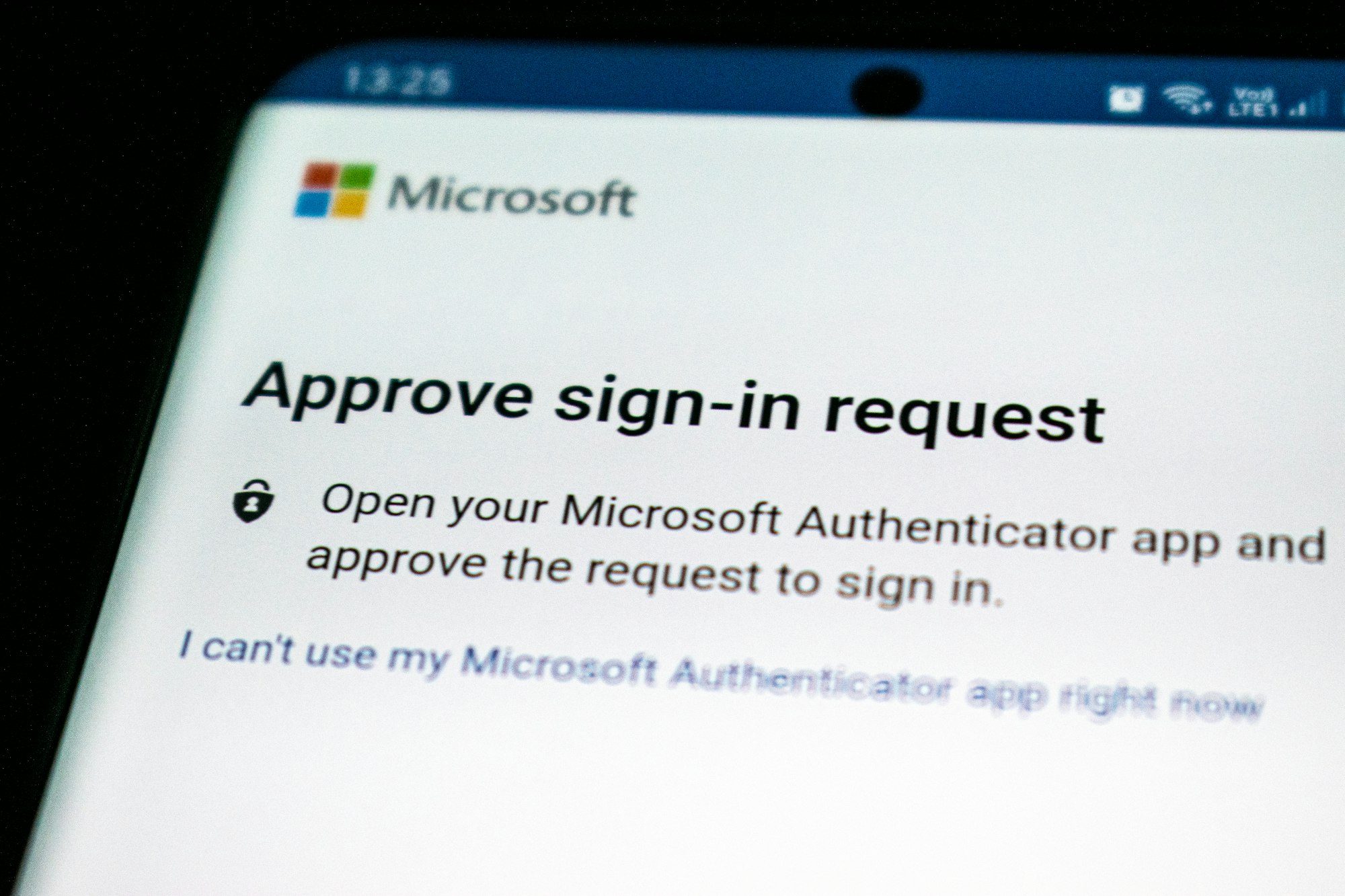
Enable Multi-Factor Authentication (MFA): MFA adds an extra layer of security by requiring an additional verification method beyond just a password. This can be through an authentication app, SMS, or hardware token. Implementing MFA significantly reduces the risk of unauthorized access.
Keep Software Updated: Regularly updating operating systems, applications, and firmware ensures that known vulnerabilities are patched. Enable automatic updates where possible to minimize the window of exposure. Keeping software updated helps protect against exploits targeting known vulnerabilities.
Network Security:
Use Firewalls and Intrusion Detection Systems: Firewalls monitor and control incoming and outgoing network traffic based on predetermined security rules. Intrusion detection systems (IDS) and intrusion prevention systems (IPS) help identify and block malicious activities. These tools are crucial for maintaining a secure network perimeter.
Segment Networks: Network segmentation involves dividing a network into smaller, isolated segments to limit the spread of attacks. Critical systems and sensitive data can be isolated from the general network traffic, reducing the impact of a potential breach. Implementing strict access controls between segments further enhances security.
Endpoint Security:
Install Antivirus and Anti-Malware Software: Reputable antivirus and anti-malware software can detect and remove malicious programs before they cause harm. These tools should be kept updated to recognize the latest threats. Regular scans help ensure that endpoints remain secure.
Implement Endpoint Detection and Response (EDR): EDR solutions provide continuous monitoring and analysis of endpoint activities to detect and respond to threats. These tools can identify suspicious behavior, investigate incidents, and take appropriate actions to mitigate threats.
Application Security:
Secure Coding Practices: Follow secure coding standards to avoid vulnerabilities like SQL injection and XSS. Regular code reviews and security testing are essential to identify and fix vulnerabilities early in the development process. Secure coding practices help ensure that applications are built with security in mind from the start.
Regular Penetration Testing: Conduct regular penetration testing to identify and fix security vulnerabilities. Penetration testing simulates real-world attacks to evaluate the effectiveness of your security measures. Both internal and external penetration tests provide a comprehensive assessment of your security posture.
User Awareness and Training:
Security Awareness Training: Provide regular training to employees on recognizing phishing attempts and social engineering. Training helps users understand the importance of cybersecurity and how to protect themselves and the organization. A well-informed workforce is the first line of defense against cyber threats.
Phishing Simulations: Conduct regular phishing simulations to test and improve employee response to phishing attacks. Simulations help identify weaknesses in user behavior and provide opportunities for targeted training. Regular simulations reinforce the importance of vigilance and help reduce the risk of successful phishing attacks.
Data Protection:
Encrypt Sensitive Data: Encrypt data both at rest and in transit to protect it from unauthorized access. Use strong encryption standards and manage encryption keys securely. Encryption ensures that even if data is intercepted or accessed by unauthorized parties, it remains unreadable and secure.
Access Controls: Implement the principle of least privilege, granting users only the access they need. Use role-based access control (RBAC) to manage permissions and restrict access to sensitive data and systems. Regularly review and update access controls to ensure they align with current security policies and requirements.
Incident Response:
Develop an Incident Response Plan: Create and regularly update an incident response plan to handle security breaches. The plan should outline the steps to take in the event of a security incident, including roles and responsibilities, communication protocols, and recovery procedures. Regular drills and tabletop exercises help ensure readiness and improve response capabilities.
Monitor and Log Activities: Implement comprehensive logging and monitoring to detect suspicious activities. Use Security Information and Event Management (SIEM) systems to analyze and respond to security events. Continuous monitoring helps identify potential threats early and enables prompt action to mitigate risks.
Specific Measures for Emerging Threats:
Secure IoT Devices: Change default passwords on IoT devices and regularly update firmware and software. Isolate IoT devices on a separate network to limit potential exposure. Implementing these measures helps protect IoT environments from exploitation and compromise.
Supply Chain Security: Vet third-party vendors and suppliers for security practices and monitor and manage third-party access to your network. Supply chain security involves ensuring that external partners adhere to robust security standards and practices. Continuous monitoring and risk assessments help mitigate the risks associated with third-party relationships.
Conclusion
In today's digital landscape, security vulnerabilities present significant challenges, but by understanding these vulnerabilities and implementing comprehensive security measures, individuals and organizations can significantly reduce their risk of falling victim to cyber attacks. Regular updates, user training, secure coding practices, and robust incident response plans are just a few of the critical steps necessary to maintain a strong cybersecurity posture. Stay vigilant, stay informed, and prioritize cybersecurity to protect your valuable digital assets.


Comments